Commercial EV Charging Station Installation Starts With Capacity
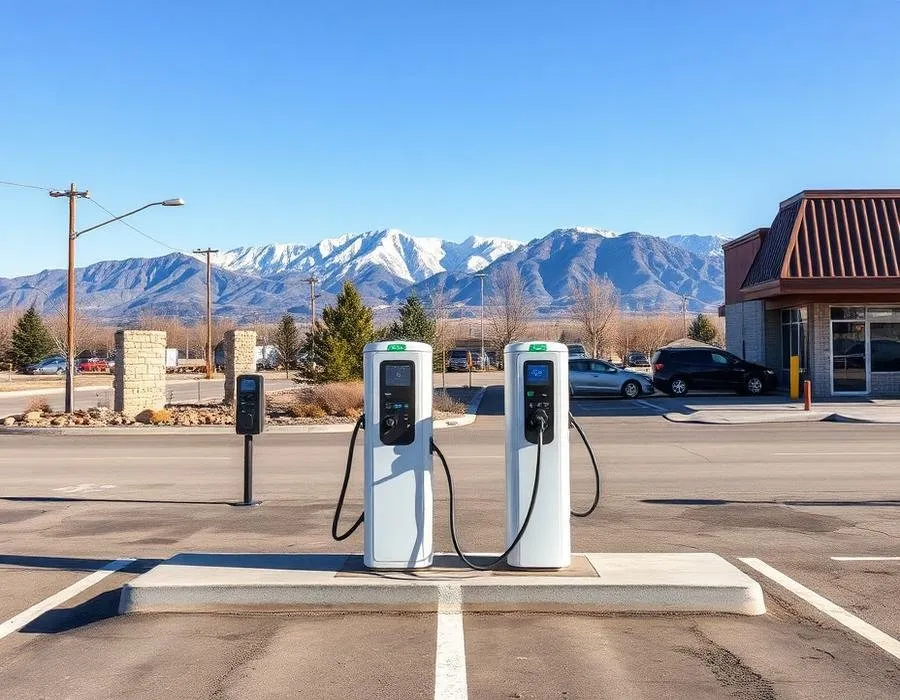
A home charger is an appliance. A commercial charging site is infrastructure. Four or eight stalls can draw more power than a small business or an older apartment building was ever wired to supply, and the answer is rarely obvious from the parking lot.
That is why we start with a capacity study. We review your electrical service, panel space and existing loads, then tell you what the building can handle before anyone quotes hardware.
Who We Build Charging For
Property managers, HOA boards and business owners each want something different from a charging project. We plan around the people who will use the stalls:
- Workplaces. Employee and company-vehicle charging, with scheduling and access control.
- Multifamily and HOA properties. Residents who want to charge at home, with fair cost recovery.
- Retail and hospitality. Customer-facing stalls near entrances.
- Fleets. Depot charging for vehicles that return to the same lot each night.
Hardware and Networks We Install
We install ChargePoint, Enel X, Blink, Tesla and other networked hardware. The station matters less than the network behind it. Payment, access rules, usage reports and monthly fees all live in the network platform, so we recommend comparing options before you buy.
Our part is the electrical work: distribution, conduit, mounting, wiring and commissioning so each station connects and reports correctly. For a single home garage, see our EV charger installation service.
Load Management Keeps Your Service Size Manageable
The fastest way to blow a budget on EV charging is to size every stall for full power at the same moment. Cars rarely need that. Most sit parked for hours and do not charge continuously.
Load management software shares available power between whichever vehicles are plugged in. In many buildings it means more stalls on your existing service, and sometimes avoids a larger electrical panel upgrade. We set the limits during the capacity study and configure them during commissioning.
Sub-Metering and Cost Recovery for Multifamily and HOA Sites
Residents want to charge at home, but nobody wants the common-area electric bill to absorb the cost. Sub-metering or a networked billing platform tracks each driver’s usage, so it can be billed back or collected per session.
What works depends on how your property is metered, what your governing documents allow and which network you choose. We install the metering and wiring, and your board or manager decides how costs get allocated.
Accessible Stall Layout and Site Planning
Stall placement affects everything from trenching cost to whether visitors can actually use the chargers. Accessibility rules, including ADA requirements, influence how stalls are laid out, how wide the clear space around them is and where the equipment can be mounted.
We raise these questions early and coordinate with your designer, architect or property manager when accessibility requirements apply. We also plan conduit and panel space so adding stalls later is a simple extension.
Permits, Inspections and Utility Coordination
Commercial charging sites need electrical permits, and some need additional plan review depending on the jurisdiction. We pull permits with whichever city or county covers your property, schedule the inspections and attend them.
Depending on your address, your utility is Xcel Energy or CORE Electric Cooperative. Incentive programs change over time, and we help gather the paperwork utilities ask for when a program applies.
DC Fast Charging Is a Larger Project
Level 2 stations suit workplaces, apartments and most retail parking because cars stay for hours. DC fast charging delivers much more power, so it typically needs larger electrical equipment and coordination with the utility, sometimes including new service.
If you are considering fast charging, the capacity study is still the first step. It tells you whether the site can support it and what has to change.
What Affects the Price of a Charging Project
Every site is different, so we give a written flat-rate price after a free estimate and a look at your electrical room. The biggest factors are:
- The number of stalls and the power level of each one
- The distance from your electrical service to the parking area
- Trenching through asphalt or concrete versus an open landscape strip
- Whether your service or panel needs added capacity
- The network, metering and access-control features you choose
What We Need From You to Get Started
A few details speed up the capacity study. Bring the building’s utility account information if you have it, a rough sketch or aerial view of the parking area and a list of who will use the stalls. If you are a board or property manager, share any governing rules about parking and common-area changes, since those can shape where stalls go.
Commercial Charging for Denver and Surrounding Areas
We work with properties across Denver, Aurora and the surrounding suburbs. Our commercial electrician team handles the broader building electrical, and we start every project with a free estimate. Call (720) 668-5051 or reach out through our contact page.